Many people are surprised to learn that hearing loss and dementia are closely connected. Understanding how changes in hearing can influence memory, thinking and daily life helps you make choices that benefit both your hearing and your mind.

If you are noticing signs of hearing loss or are concerned about changes in memory, learning about this connection can provide valuable direction for your future health.

How Hearing Loss May Affect Brain Health

Hearing loss does more than make conversations harder to follow. When sound is unclear or incomplete, your brain has to work harder to fill in the missing pieces.

This constant effort can take energy away from other mental tasks like concentrating, remembering details and staying organized. Over time, that extra strain may lead to mental fatigue, making it feel harder to stay focused or process information as smoothly as you once did.

There is also the question of how reduced sound input affects the brain itself. Your hearing system and brain work together, and when the brain receives less clear sound over long periods of time, the parts responsible for processing sound may become less active.

This change can influence broader thinking skills, since many areas of the brain work together to support attention and understanding. Paying attention to hearing changes and addressing them early can help support your cognitive health and keep your mind working at its best.

What Dementia Means and How It Changes Brain Function

Dementia refers to a group of conditions that affect memory, thinking and the ability to carry out everyday activities. These changes occur when certain parts of the brain do not work as well as they should.

You may notice some common signs, like:

  • Difficulty remembering recent events or conversations.
  • Trouble finding the right words or understanding others.
  • Problems with planning, organizing or making decisions.

How Hearing Loss Often Begins as People Get Older

Hearing loss often develops gradually with age, making it harder to hear soft sounds or follow conversations in busy places. This usually happens because the tiny hair cells in the inner ear wear out over time, which is a normal part of getting older.

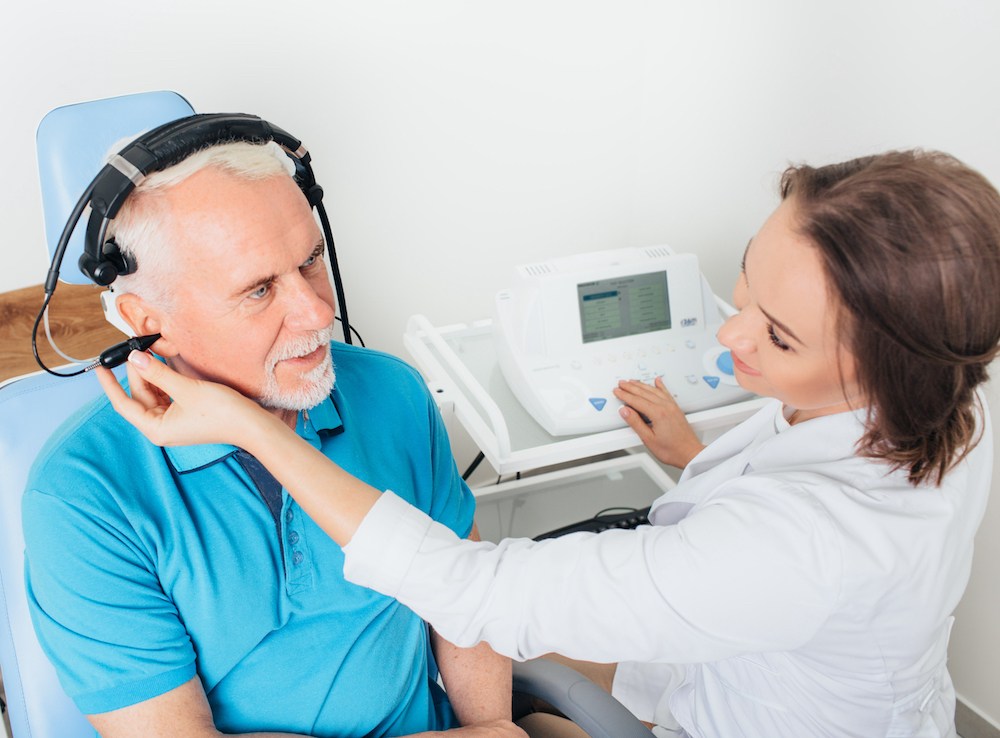
You can help protect your hearing by keeping the volume low when using headphones and wearing ear protection around loud noises. Regular check-ups with an audiologist are also important, especially if you notice changes in how well you hear.

Why Social Isolation Matters for Both Hearing Loss and Cognitive Health

Feeling left out or alone can happen more often when you have hearing loss.

Trouble following conversations or joining group activities may lead you to spend less time with others. Social isolation can affect both your mood and your brain function.

Staying connected with friends and family helps keep your mind active and supports emotional health. Spending too much time alone may raise the risk of memory problems or feeling sad.

Being socially active can improve mood, strengthen thinking skills and provide a sense of belonging.

Recognizing Early Signs of Hearing Loss and Changes in Thinking

Recognizing early signs of hearing loss and changes in thinking often starts with noticing subtle shifts in how easily you process everyday information.

You might find that concentrating takes more effort than it used to, or that your mind feels tired after long periods of listening. Sometimes people begin to second-guess what they heard or feel less confident in their memory of certain details.

These changes can develop slowly, so they may be easy to brush off at first. Paying attention to patterns over time, rather than isolated moments, can help you spot when something is different.

How Hearing Aids Can Support Cognitive Health

Hearing aids can make a big difference for both hearing and thinking skills. When you use hearing aids, it becomes easier to join conversations and stay involved in social activities.

This reduces the mental strain that comes from trying to understand speech with untreated hearing loss. Making sounds clearer and speech easier to follow, hearing aids help keep your brain active and engaged.

Lifestyle Choices That Support Both Hearing and Brain Health

Your daily habits play a key role in protecting both your hearing and your brain as you age. Eating a balanced diet with plenty of fruits, vegetables and whole grains supports overall health, including your ears and mind.

Staying physically active with regular exercise helps improve blood flow to the brain and ears.

Avoiding smoking and limiting alcohol use are also smart choices for long-term health. Keeping your mind active by reading, doing puzzles or learning new skills supports memory and thinking skills. These healthy habits work together to help you stay sharp and maintain good hearing.

Knowing the Right Time to Visit an Audiologist

It can be difficult to know when to visit an audiologist, especially if you are unsure what changes to look for.

If you find yourself turning up the TV louder than before, asking people to repeat themselves often or having trouble following conversations in groups, these are common signs that your hearing may need attention.

Some people also notice they feel more tired after social events or struggle to keep up in noisy places. These changes can happen slowly and may be easy to miss at first.

If you notice any of these signs, scheduling a visit with an audiologist is a good step. Early support can help protect both your hearing and your thinking skills as you age.

Taking Steps Now to Support Hearing and Brain Health

Learning about the link between hearing loss and dementia allows you to make informed choices that support both your mind and your hearing. Taking action early, like scheduling a hearing check-up or discussing any changes you notice with an audiologist, can help protect your memory and thinking skills as you get older.

If you have noticed signs of hearing loss or changes in how well you remember things, schedule an appointment. Staying proactive about your hearing health is an important way to look after yourself and those around you.