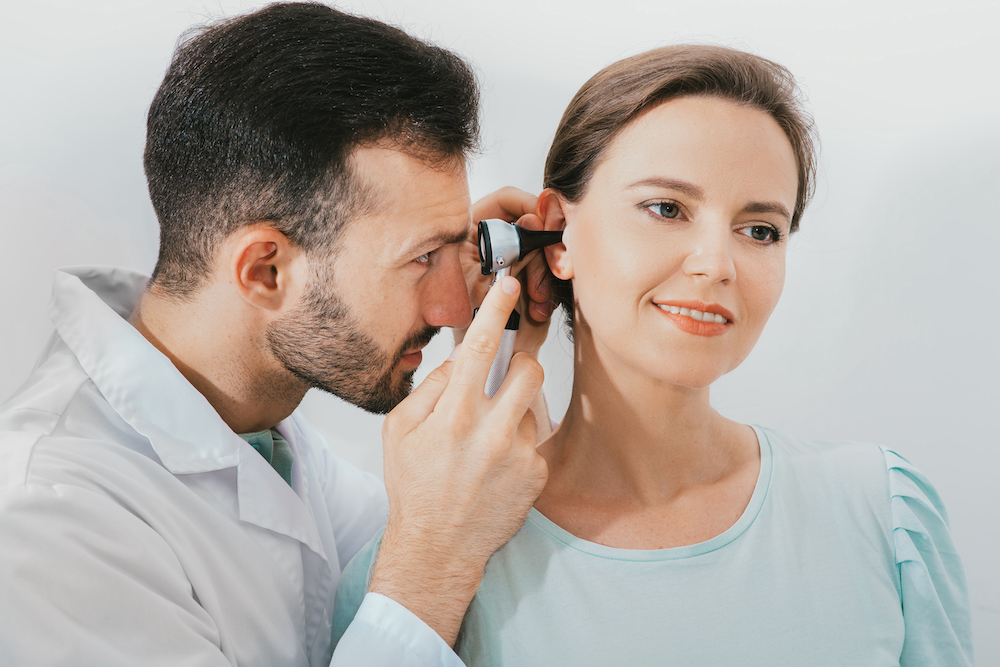
Most people do not usually connect diet with hearing health, yet nutrition can influence how well the ears function over time. The foods you eat provide nutrients that support the small cells and blood flow inside the inner ear, which are important for maintaining hearing as you age.

Many of the same eating habits that support heart and brain health also benefit the ears. So, how do specific nutrients, hydration and balanced meals work together to support healthy ears and reduce risks related to hearing loss.

How Nutrition Impacts Your Hearing Health

What you eat can influence hearing health in ways that are easy to overlook. The inner ear relies on steady blood flow and healthy cells to process sound, and nutrition plays a role in supporting both.

Diets that provide a variety of vitamins and minerals help the body maintain these systems, while poor nutrition can place added stress on them over time. Because hearing changes often happen gradually, the impact of diet may not be obvious right away, but consistent eating habits can support long-term auditory function.

Nutrition also affects overall health, which is closely connected to hearing. Conditions such as circulation problems or inflammation can influence how well the ears function and balanced meals help support the body’s ability to manage these issues.

Making thoughtful food choices does not require major changes. Small, steady habits like choosing whole foods more often and maintaining regular meals can contribute to better hearing health.

How Hydration Affects the Delicate Structures Inside the Ear

Staying properly hydrated supports the delicate structures inside the ear that are responsible for hearing and balance. Fluid levels in the body help regulate the inner ear environment, where small changes can influence how sound signals are processed.

When hydration is low, circulation and fluid balance may be affected, which can place added strain on these sensitive areas. Over time, this can make the ears less efficient at handling everyday sound.

Maintaining regular hydration throughout the day is a simple habit that supports inner ear function and contributes to overall hearing health.

How Blood Sugar Levels Affect Your Ears

Blood sugar levels can also influence how well your ears work.

Poorly controlled blood sugar can damage the small blood vessels that supply your ears with nutrients and oxygen, which may lead to changes in hearing over time. Eating balanced meals with whole grains, lean proteins and plenty of vegetables helps keep blood sugar steady.

The Impact of Salt Intake on Hearing Health

Too much salt can affect the balance of fluids in your inner ear, which is important for both hearing and balance. High salt intake may raise blood pressure and cause fluid retention, making it harder for your ears to function well.

Reducing salty snacks and using low-sodium options when cooking can help protect your ear health. Reading food labels and choosing herbs or spices instead of salt are practical ways to lower your daily salt intake.

How a Balanced Diet Can Reduce the Risks Related to Hearing Loss

A balanced diet can help lower certain risks that are linked to hearing loss by supporting the systems the ears depend on to function well. Healthy blood flow, stable energy levels and proper cell function all play a role in how sound is processed, and these are influenced by what you eat each day.

Meals that include a mix of fruits, vegetables, whole grains and lean proteins help the body manage circulation and reduce strain on sensitive inner ear structures. While diet alone cannot prevent hearing loss, maintaining balanced eating habits can support overall ear health and may help reduce factors that contribute to hearing changes over time.

Vitamins and Minerals That Support Ear Function

Vitamins and minerals help maintain healthy ears by supporting the tiny hair cells and nerves in your inner ear. Some key nutrients include:

  • Vitamin C protects ear cells from damage by free radicals.
  • Vitamin E supports blood flow to the ears.
  • Magnesium can help to protect against noise-related changes in hearing.
  • Zinc supports a healthy immune system and helps guard against ear infections.
  • Potassium helps control fluid levels inside the inner ear.

If you are unsure about your nutrition or have questions about supplements, an audiologist can help you find the best options for your needs.

Antioxidants and Their Role in Protecting Hearing

Antioxidants are nutrients that help protect your ear cells from damage caused by free radicals – unstable molecules that can build up in the body. Eating foods rich in antioxidants, like berries, nuts, spinach and carrots, may help lower the risk of hearing loss over time by supporting your body’s natural defenses and keeping ear cells healthier.

Adding more antioxidant-rich foods to your meals each week is a simple step that supports long-term hearing health.

Daily Eating Habits That Promote Healthy Hearing

Healthy eating habits play a big role in supporting hearing health. Regular meals that include fruits, vegetables, lean proteins and whole grains help your ears get the nutrients they need.

Limiting snacks high in salt or sugar can help maintain good blood flow and fluid balance in your ears. Choosing water over sugary drinks keeps both your body and ears hydrated.

Making small changes to your eating routine may seem difficult at first, but even simple steps like packing fruit for lunch or drinking an extra glass of water, can support hearing health over time.

Simple Nutrition Choices Support Lasting Hearing Health

Paying attention to what you eat and how much water you drink plays a role in keeping your hearing healthy as you age.

Foods rich in key vitamins, minerals and antioxidants support the tiny cells inside your ears needed for clear hearing. Even small changes can have a positive effect over time.

If you have questions about how nutrition might be affecting your hearing or want guidance on daily habits for better ear health, schedule an appointment with an audiologist. Making informed choices today can support both your overall wellness and your ability to hear clearly in the years ahead.