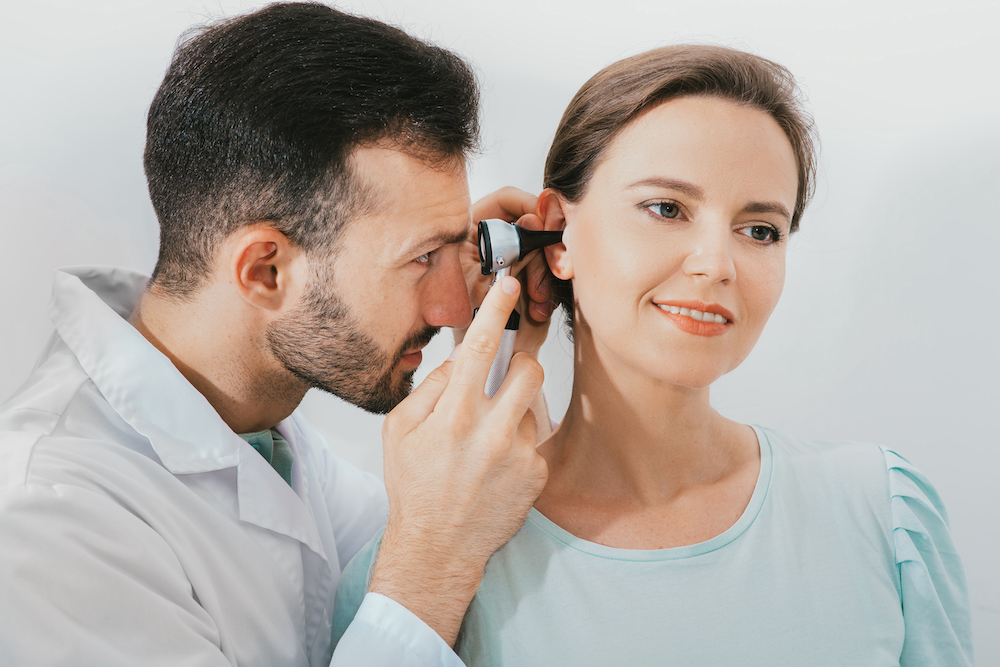
You probably won’t notice small changes in your hearing from one week to the next. They often happen slowly enough that you adjust without realizing it.

You may ask people to repeat themselves more often, turn the television up a little louder or miss parts of conversations in busy places. Looking back months or years later, those changes are much easier to recognize than they were at the time.

Regular hearing evaluations create a record of your hearing over time. Comparing one test with the next shows whether your hearing has remained stable or changed since your last visit.

Why Hearing Health Matters in Daily Life

You rely on your hearing more often than you probably realize. It helps you follow conversations, recognize where sounds are coming from and notice what’s happening around you without having to think about it.

At work, at home or while you’re out running errands, your brain is constantly sorting through sounds to help you understand speech and respond to your surroundings.

When hearing changes, that process takes more effort because your brain has less sound information to work with. You may still hear that someone is talking, but understanding every word can become more difficult in places with competing noise.

Early Signs of Hearing Loss That Many People Miss

Small changes in hearing usually show up during everyday conversations instead of all at once. You may adjust to them without realizing it, which is why they often go unnoticed at first.

Changes you might recognize include:

    • You understand someone easily in a quiet room but miss parts of the conversation in a restaurant or other busy place.
    • You hear that someone is speaking but miss the first few words before your brain catches up.
    • You rely on captions more often, even when the television volume seems loud enough.
    • Family or friends begin repeating themselves before you realize you missed something.
    • You answer a question based on the words you thought you heard, only to realize the conversation was about something else.

What to Expect During a Regular Hearing Evaluation

Your answers help explain how your hearing affects your routine. They also provide context for the hearing test that follows.

A hearing test measures the softest sounds you can hear at different pitches. It also measures how well you understand spoken words.

You’ll listen to tones through headphones or ear inserts and repeat words you hear during the speech testing. Afterward, your audiologist will review the results with you and compare them with previous hearing tests if they’re available.

How Routine Tests Show Changes in Your Hearing

Each hearing test creates a record of how well you hear different pitches and how clearly you understand speech. That record becomes more valuable each time you return for another evaluation.

Your audiologist compares your current audiogram with previous results instead of looking at each test on its own. They look for changes in the pitches you hear, the volume needed before you detect a sound and how accurately you recognize spoken words.

A small change may not stand out during daily conversations. It becomes much easier to identify when the results are compared side by side.

Looking at those patterns shows whether your hearing has remained the same or whether it has changed since your last appointment.

Benefits of Finding Treatment Soon After Hearing Changes Are Found

Finding hearing changes early gives you more options before they begin affecting more of your routine. Starting treatment sooner also provides a baseline for future care and allows changes to be monitored.

Depending on the cause and severity of your hearing changes, treatment may offer benefits like:

    • Better speech understanding before communication becomes more difficult.
    • More treatment choices based on the type and degree of hearing loss.
    • A hearing baseline that makes future changes easier to identify.
    • Less listening effort during conversations at home, work and social gatherings.
    • Ongoing monitoring to see how your hearing changes and whether your treatment needs to be adjusted.

How Often to Schedule a Hearing Evaluation at Different Ages

Adults with no hearing concerns often begin with a baseline evaluation, then return as their audiologist recommends. As you get older, regular hearing evaluations usually become more frequent because hearing changes are more common with age.

If you already have hearing loss or spend time around loud noise, your appointments may be scheduled closer together to monitor changes between visits.

Simple Ways to Get Ready for Your Next Hearing Checkup

A little preparation before your appointment makes it easier to discuss any changes you’ve noticed since your last hearing evaluation.

Before your appointment, consider:

    • Write down situations where hearing has been more difficult since your last visit.
    • Bring a list of medications you’ve started or changed since your previous evaluation.
    • If you wear hearing aids, bring them along with any accessories you use regularly.
    • Think about questions you want to ask so you don’t forget them during the appointment.
    • Ask a family member or close friend whether they’ve noticed changes in your hearing since your last evaluation.

Taking Charge of Your Hearing Health with Regular Evaluations

Even when your results remain stable, that information becomes a useful reference for future evaluations. If changes do appear later, your audiologist can compare them with earlier results instead of relying on memory alone.

That ongoing record makes it easier to recognize patterns and understand how your hearing has changed from one visit to the next. If you have noticed changes in your hearing, schedule a hearing test with an audiologist.