Farmers and outdoor workers spend much of their day surrounded by loud machinery, tools and unpredictable environmental sounds. These everyday noises can reach levels that may slowly affect your hearing over time. Because changes in hearing often go unnoticed at first, risks can build up until they become more serious.

If you work outside or on a farm, your ears are regularly exposed to the sounds of tractors, chainsaws, livestock and other equipment. Outdoor settings often lack the noise controls found in indoor workplaces, which means your hearing is at greater risk. Understanding how these environments affect your hearing helps you take steps to protect yourself and keep your hearing healthy for years to come.

The Impact of Long Work Hours on Hearing Health

Farmers and outdoor workers often face hearing risks that differ from those in other professions because of the long hours they spend in noisy environments. Machinery like tractors, combines and chainsaws produce high levels of sound that can be damaging over time. Even routine activities like using pumps, generators or other power equipment add to the overall noise exposure. Unlike short bursts of loud noise in other workplaces, these workers experience prolonged daily exposure, which can gradually affect their hearing without immediate warning signs.

Extended work hours also mean there is less opportunity for the ears to rest and recover from noise exposure. Continuous exposure can make the inner ear more vulnerable to damage, increasing the likelihood of hearing loss over time. Fatigue from long days can also make it harder to notice early signs of hearing changes, delaying intervention. Understanding these risks highlights the importance of regular hearing monitoring and protective strategies for individuals who spend significant time in loud, outdoor work environments.

Common Loud Noise Sources Found in Farming and Outdoor Work

Tractors, combines and other heavy machinery are some of the loudest sources of noise on farms and outdoor job sites. Power tools like chainsaws, leaf blowers and mowers also create high sound levels that can put your hearing at risk. Animals contribute to the noise as well. Cattle, pigs and roosters can be surprisingly loud, especially in groups or during feeding times. Many workers do not realize that repeated exposure to animal sounds may also affect hearing over time.

Outdoor work often involves sudden noises, like loud bangs from dropped equipment. These sounds can be just as harmful as ongoing machine noise. Using hearing protection in all these situations helps keep your ears safe.

Why Farm Noise Often Leads to Frequent Exposure Compared to Other Workplaces

Farm work often involves equipment and tasks that generate high levels of noise for extended periods, which can result in repeated exposure unlike many other workplaces. Tractors, combines, chainsaws and irrigation pumps run for hours each day, creating a consistent background of loud sound. Unlike office or retail environments where noise comes in short bursts or is intermittent, farm noise is often continuous and unavoidable during long workdays. Even routine maintenance or outdoor chores contribute to overall sound exposure, making it difficult for the ears to rest. This frequent and prolonged exposure increases the risk of hearing strain or long-term damage over time.

Weather Conditions That Can Affect Hearing Protection

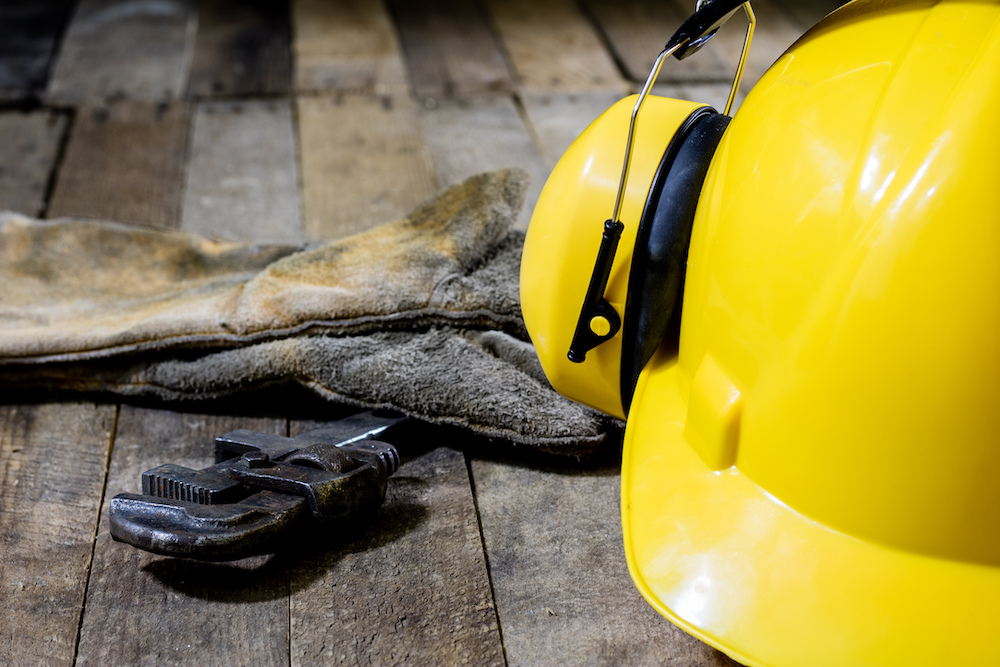
Outdoor workers often face changing weather conditions that make wearing hearing protection more difficult. Hot weather may cause sweating and discomfort when wearing earmuffs or earplugs for long periods. In cold weather, earmuffs might not fit well over hats or hoods, and earplugs can be hard to handle with gloves on.

Rain and wind can also create extra background noise that makes it harder to notice when harmful sounds occur. These weather factors may lead some workers to skip wearing hearing protection altogether. Being prepared with different types of ear protection for various weather conditions helps you stay comfortable while keeping your ears safe throughout the year.

Early Signs of Hearing Loss You Might Notice While Working Outdoors

You might start to notice hearing loss while working outdoors if you often ask people to repeat themselves or have trouble hearing conversations over the noise of equipment. Some people realize they need to turn up the volume on radios or phones more than before, especially when background sounds are present. You may also find that certain high-pitched sounds, like birds chirping or alarms, seem quieter or harder to hear.

Recognizing these early signs helps you take action before hearing loss becomes more serious. When you know what to watch for, you can talk with an audiologist about ways to protect your ears and keep your hearing strong. This awareness gives you a better chance of maintaining clear communication with coworkers and staying safe on the job.

Practical Ways to Lower Noise Exposure During Outdoor Jobs

There are several simple steps you can take to lower your noise exposure while working outdoors. Using earplugs or earmuffs designed for loud environments is one of the most effective ways to protect your hearing.

Keep noisy equipment well maintained since machines in good condition often run more quietly. If possible, limit the amount of time spent near loud tools or take short breaks away from the noise. Even small changes in your daily routine can make a big difference for your long-term hearing health. Protecting your ears now helps you keep enjoying clear sound both on and off the job.

How to Keep Track of Your Hearing Health with Regular Checks

Keeping track of your hearing health starts with scheduling regular hearing evaluations. These checkups help identify changes in your hearing early, before they start affecting daily activities. It can be helpful to maintain a personal record of test results, noting any differences from previous assessments. Paying attention to how you respond to everyday sounds and communicating any concerns to your audiologist adds another layer of monitoring. Consistently tracking your hearing allows you to notice trends over time and ensures you have the information needed to make informed decisions about your hearing care.

Staying Safe and Protecting Your Hearing on the Job

Farmers and outdoor workers face unique risks to their hearing that are easy to overlook during busy workdays. Loud machinery and sudden environmental noises all add up over time. Small changes in your hearing can happen slowly and may not be obvious right away.

Taking care of your hearing health is just as important as maintaining your equipment or caring for livestock. If you spend most days around loud sounds or have noticed any changes in how well you hear, consider scheduling an appointment with an audiologist. Regular tests and advice on proper ear protection help keep your hearing strong for years to come. Staying informed and taking simple steps now supports your well-being while working outdoors.