Attending your first comprehensive hearing evaluation can feel uncertain if you are not sure what to expect. Many people notice changes in their hearing but may not know how those changes are measured or what the evaluation involves. A comprehensive hearing evaluation does more than check whether you can hear sounds. It provides detailed insight into how your auditory system is working and highlights any areas that may need attention. The information gathered during this process helps your audiologist understand your individual hearing needs and determine appropriate next steps for your care.

Having a general understanding of what happens during a hearing evaluation can make the experience more comfortable and informative. The appointment typically includes several tests, each focusing on different aspects of hearing. Knowing what these tests involve allows you to take an active role in the process and better understand your results. This preparation can help make the appointment more productive and ensure that your hearing care plan is tailored to your specific needs.

Why a Comprehensive Hearing Evaluation Is Important

A complete hearing evaluation gives you and your audiologist a clear understanding of your hearing abilities and any changes that may have occurred over time. This information guides the next steps for your care. Without a thorough evaluation, some types of hearing loss can go unnoticed or be misunderstood. This can lead to using the wrong solutions or missing signs of other health concerns linked to hearing.

Early assessment can help you avoid misunderstandings in conversations, stay active in social situations and support your overall well-being. It also allows your audiologist to recommend options that are tailored to your needs.

How to Get Ready for Your Hearing Appointment

Preparing for your hearing appointment is simple and helps you feel more comfortable during your visit. A little preparation can make the process smoother and help your audiologist provide the best care possible. Consider these steps before your appointment:

  • Write down any questions or concerns about your hearing.
  • Bring a list of any medicines you take.
  • Make notes about when and where you notice trouble hearing.
  • Ask a family member or friend to come with you if possible.

Sharing Your Hearing Health History with an Audiologist

Sharing your hearing health history is an important part of your appointment. This information helps understand what may be affecting your hearing and how best to help you. Before your visit, gather details about your medical background and any past experiences with hearing changes. Be ready to talk about:

  • Times when you noticed changes in your hearing.
  • Any family history of hearing loss.
  • Previous ear infections or injuries.
  • Exposure to loud noises at work or during hobbies.

What to Expect During the Ear Examination

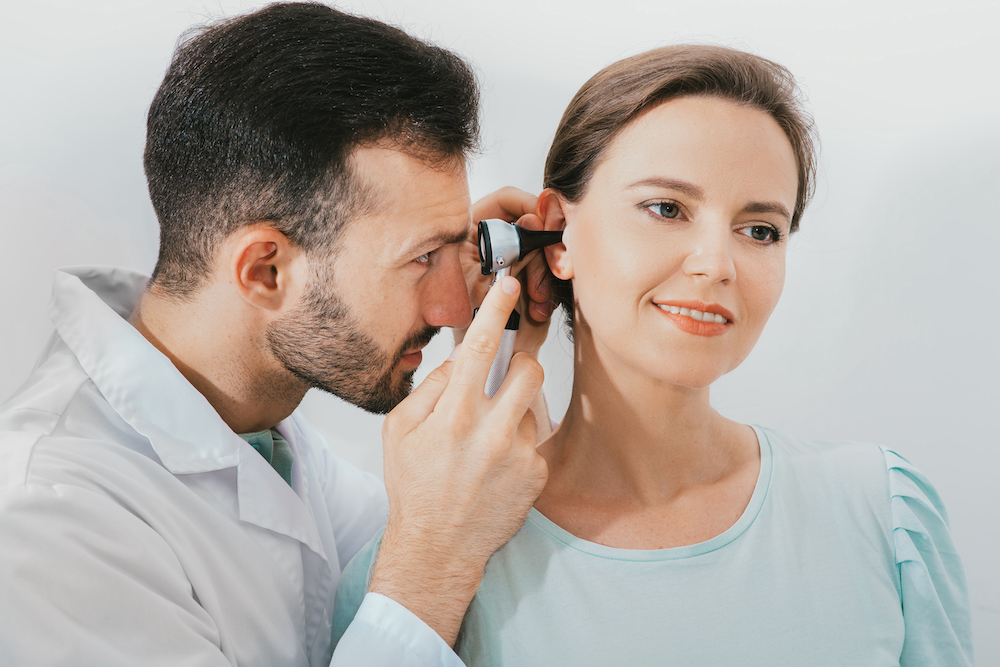
During an ear examination, your audiologist will carefully inspect the outer and middle ear to check for any signs of blockage, infection or other issues that could affect your hearing. This usually involves using a small, lighted instrument called an otoscope to look inside the ear canal and at the eardrum. The process is quick and generally painless, though you may feel a slight pressure or movement as the instrument is positioned. Your audiologist may also ask questions about your medical history, recent ear symptoms or any concerns you have about your hearing. This thorough look at your ears helps provide a clear picture of your overall ear health and ensures that any underlying issues are identified before further testing.

The Importance of Middle Ear Testing

Middle ear testing, often called tympanometry, is usually included in a comprehensive hearing evaluation. This test checks how well your eardrum moves and whether there are any problems in the middle part of your ear, like fluid buildup or pressure changes.

During the test, a small device is placed at the opening of your ear canal. You may feel slight pressure, but the test is quick and painless. The results help your audiologist find out if there are any issues that could be affecting your hearing, like an ear infection or problems with the small bones in your ear.

Understanding Pure-Tone Testing and Its Purpose

Pure-tone testing is a key part of a hearing evaluation. During this test, you listen to a series of beeps or tones at different pitches and volumes through headphones. You respond by raising your hand or pressing a button each time you hear a sound. This helps your audiologist find the quietest sounds you can hear at each pitch.

Knowing about pure-tone testing can help you feel more comfortable during your appointment and know what to expect. The results show which sounds are hardest for you to hear, making it easier for your audiologist to suggest the right support. Being familiar with this process helps you take an active role in your hearing care and makes conversations about next steps more effective.

The Role of Speech Testing in Checking Hearing Ability

Speech testing is another important part of a hearing evaluation that measures how well you understand spoken words in different situations. During this test, you will listen to and repeat words or sentences at various volumes, sometimes with background noise. This helps see how your ears and brain work together to process speech, which is useful for choosing the right hearing solutions for your daily life.

How Your Hearing Test Results Are Reviewed and Explained

After your hearing tests are finished, your audiologist will review the results with you in detail. You may see a chart called an audiogram, which shows how well you hear different sounds. Your audiologist will explain what the results mean and answer any questions you have. This conversation helps you understand your hearing health and what options might be best for your needs.

What Happens After the Evaluation and Care Recommendations

Once your hearing evaluation is complete, your audiologist will discuss the results with you and suggest next steps for your care. These recommendations may include options like hearing aids, communication tips or follow-up visits based on your specific needs.

You may also receive advice on protecting your hearing in noisy places or information about assistive listening devices.

Taking the Next Steps Toward Better Hearing

A comprehensive hearing evaluation provides clear information about your hearing health and helps you make informed decisions about your care. Understanding each step of the process can make it feel less stressful and more comfortable. Every part of the evaluation, from sharing your history to reviewing test results, is designed to give you helpful answers and support.

If you have noticed changes in your hearing or want to check on your hearing health, schedule an appointment with an audiologist. They will be able to find the right solutions for your specific needs.